- SERVICES
Hardscaping & Masonry
Landscape Design & Planting
Lawn Care & Cleanups
Drainage & Site Services
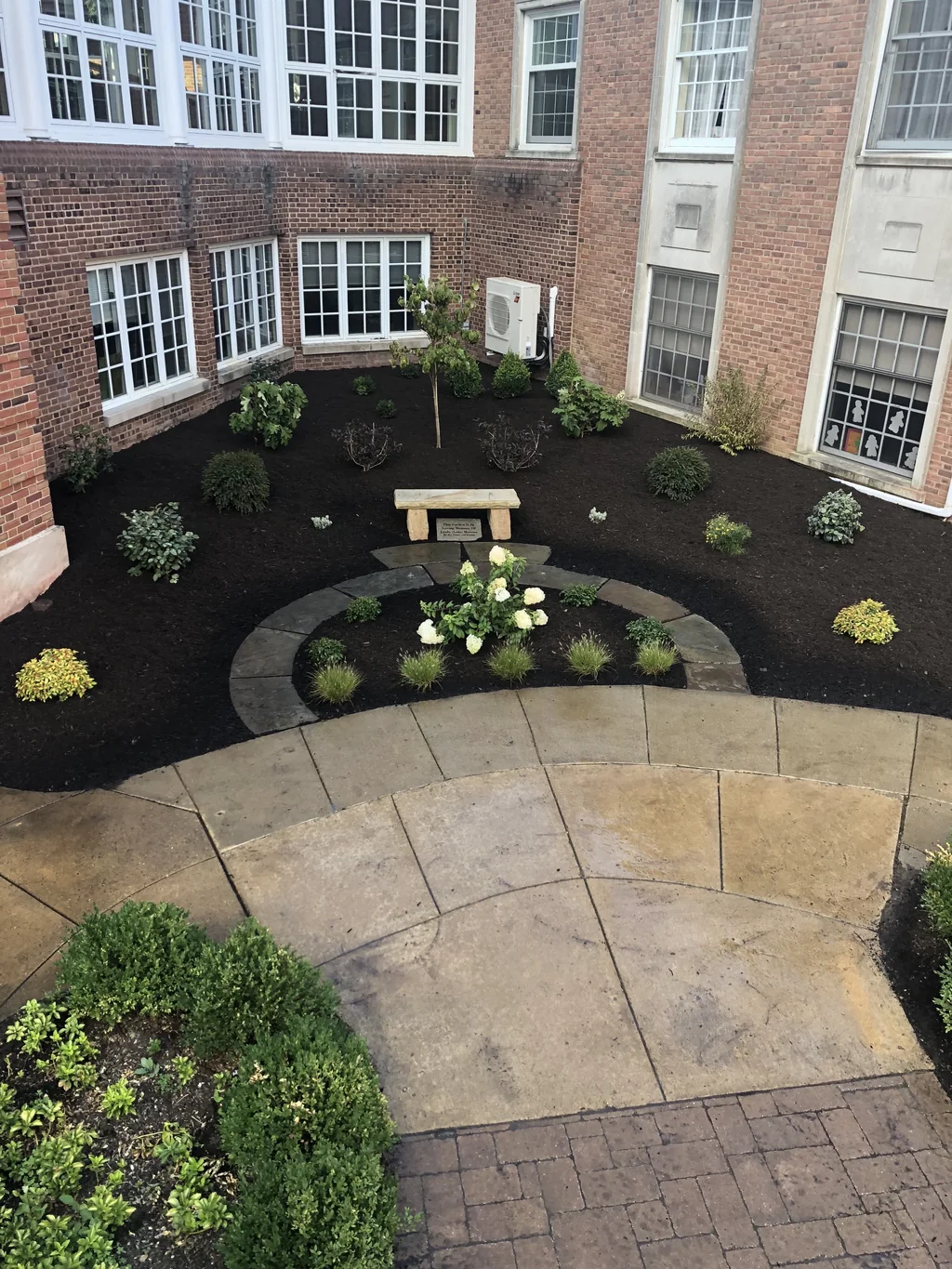 Design + BuildSee it in 3D before we build itWe measure your property and model the patio, walls and plantings so you can review the plan first.
Lawn Aeration & Dethatching in Pittsburgh, PA | Sorce Landscape Contracting LLC
Find Out What Is Holding Your Lawn Back
A lawn that feels hard underfoot and a lawn with a thick, spongy surface may need different care. Core aeration addresses compacted soil, while dethatching deals with an excessive layer of organic material above the soil.
Doing both automatically can mean unnecessary disturbance. Sorce Landscape looks at the lawn's condition and discusses the purpose of each treatment before recommending a scope.
Aeration and thatching work are part of Sorce's documented lawn-care history. We help homeowners fit those tasks into a practical renovation or maintenance plan rather than treating them as an instant lawn cure.
Choose the Treatment for the Condition
Foot traffic and repeated use can compact lawn areas. Thatch is a separate issue: some organic material is normal, while an excessive layer can interfere with healthy turf growth.
Moisture, active growth and weather affect when work should take place. A saturated lawn or turf under heat stress is not the same starting point as actively growing grass in suitable conditions.
For regular care, see lawn maintenance. We can also discuss how treatment fits a broader lawn renovation.
Does Every Thin Lawn Need Dethatching?
No. Thin turf can reflect shade, traffic, drainage or establishment problems rather than excess thatch. We distinguish the visible symptoms from the likely cause before proposing disruptive work. Treatments should serve a reason you understand.
Target Compaction or Excess Thatch, Not Just Appearance
Core aeration removes plugs of soil to create openings in the lawn. Dethatching removes part of an excessive thatch layer. They are different operations and should be selected for different needs.
If overseeding is part of the discussion, we also consider preparation and your ability to water afterward. Aeration alone does not replace establishment care, correct standing water or guarantee thick grass in heavy shade.
Condition Review:Consider compaction and thatch separately before selecting work.
Purposeful Treatment:Match the operation to the issue rather than automatically bundling every service.
Growing-Season Timing:Schedule around lawn recovery, moisture and local weather conditions.
Renovation Planning:Coordinate any seeding and follow-up care with the treatment being proposed.
How We Plan Aeration and Dethatching
Look at the Turf
Discuss use, thin areas, surface firmness and signs of excess thatch.
Select the Operation
Identify whether aeration, dethatching or another approach addresses the concern.
Check Timing & Access
Review growing conditions, soil moisture and access to the lawn.
Complete the Agreed Work
Treat the specified areas and manage material or cleanup as included in the proposal.
Review Next Steps
Discuss watering, routine care and any seeding planned after the treatment.
Reviews from Pittsburgh Homeowners
Areas We Serve
Based in Gibsonia, Sorce Landscape serves homeowners in Pittsburgh and nearby communities. Tell us your location and project scope so we can confirm availability, including:
Fox Chapel • Glenshaw • Oakmont • Marshall Township • Wexford • Cranberry • Gibsonia. Also ask about projects in Pine Township, Richland Township and Franklin Park.
FAQs – Aeration & Dethatching in Pittsburgh
What is the difference between aeration and dethatching?
Core aeration creates openings in compacted soil by removing plugs. Dethatching removes excessive organic material near the lawn surface. One does not automatically replace the other, and a lawn may need neither, one or both depending on its condition.
How much thatch is too much?
Penn State's thatch guidance explains that a modest layer can be normal, while an excessive layer can cause problems. Measure and assess the lawn before assuming that a spongy feel requires removal.
When should cool-season lawns be dethatched?
Penn State recommends late summer or early fall for cool-season turf when conditions support recovery. Actual scheduling depends on weather and lawn health. Avoid treating a season label as a reason to work on stressed or unsuitable turf.
Choose Lawn Work That Addresses the Actual Problem
Tell us whether your lawn is compacted, spongy or simply thin. Sorce Landscape can discuss the difference and help plan treatment, timing and follow-up care around the condition of your property.
Transforming Outdoor Spaces, One Yard at a Time.





Copyright © 2026 Sorce Landscape Contracting LLC. All rights reserved.